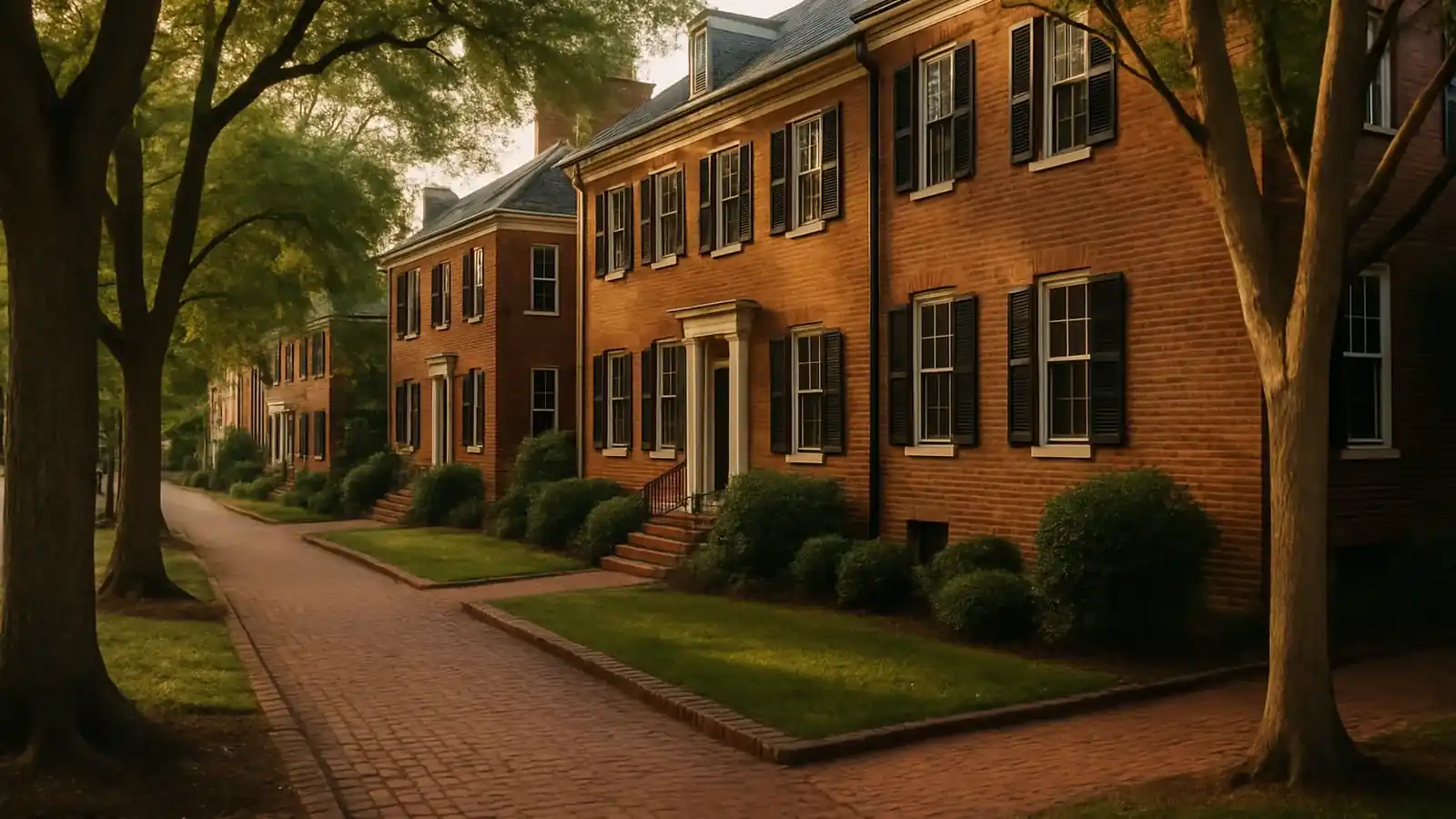
Crawl space mold treatment in Richmond runs $1,500–$6,000 plus the moisture correction that keeps it gone. In a climate with muggy summers and 46–47 inches of yearly precipitation, a vented crawl gives mold everything it needs: damp wood, still air, and darkness.
How crawl mold affects the living space, what treatment involves, and why moisture control is the half that matters most.
Why the crawl grows mold, and the house breathes it
Fungal growth needs sustained surface moisture, and a vented Richmond crawl supplies it every summer as humid air condenses on cool framing. The colonies feed on the wood itself (the same decay process that ends in structural repair) while spores ride the stack effect into the rooms above. If the house smells musty and the crawl hatch confirms it, you've found the source.
What remediation involves
- Document: photos and moisture readings of every affected area, shared with you
- Contain and clean: remove contaminated debris and insulation
- Treat the framing: antimicrobial application to affected wood surfaces
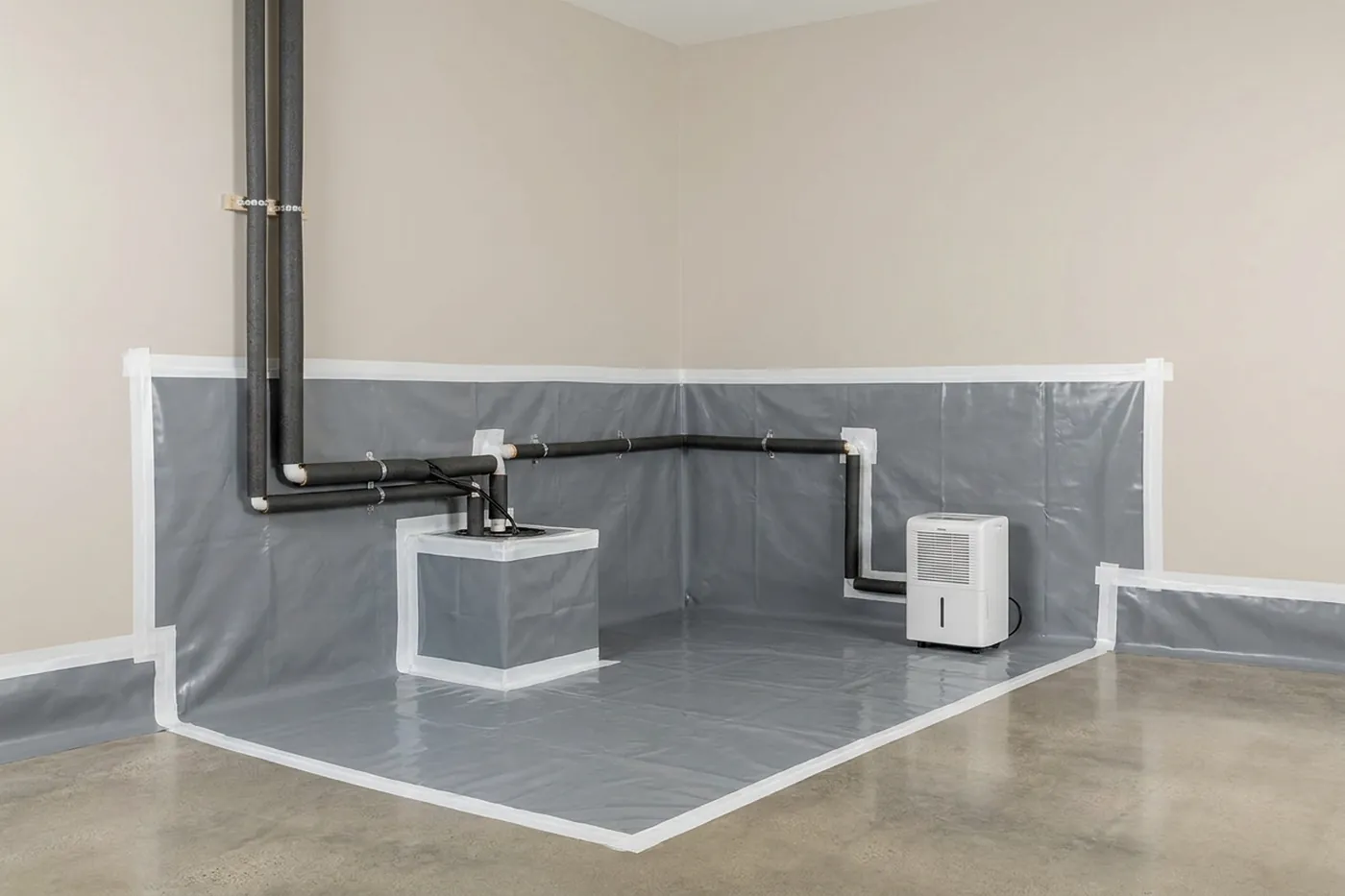
- Correct the moisture: from ground barrier to full seal-and-dry, sized to your readings
- Verify: post-treatment photos and humidity targets in writing
The honest part: treatment without drying fails
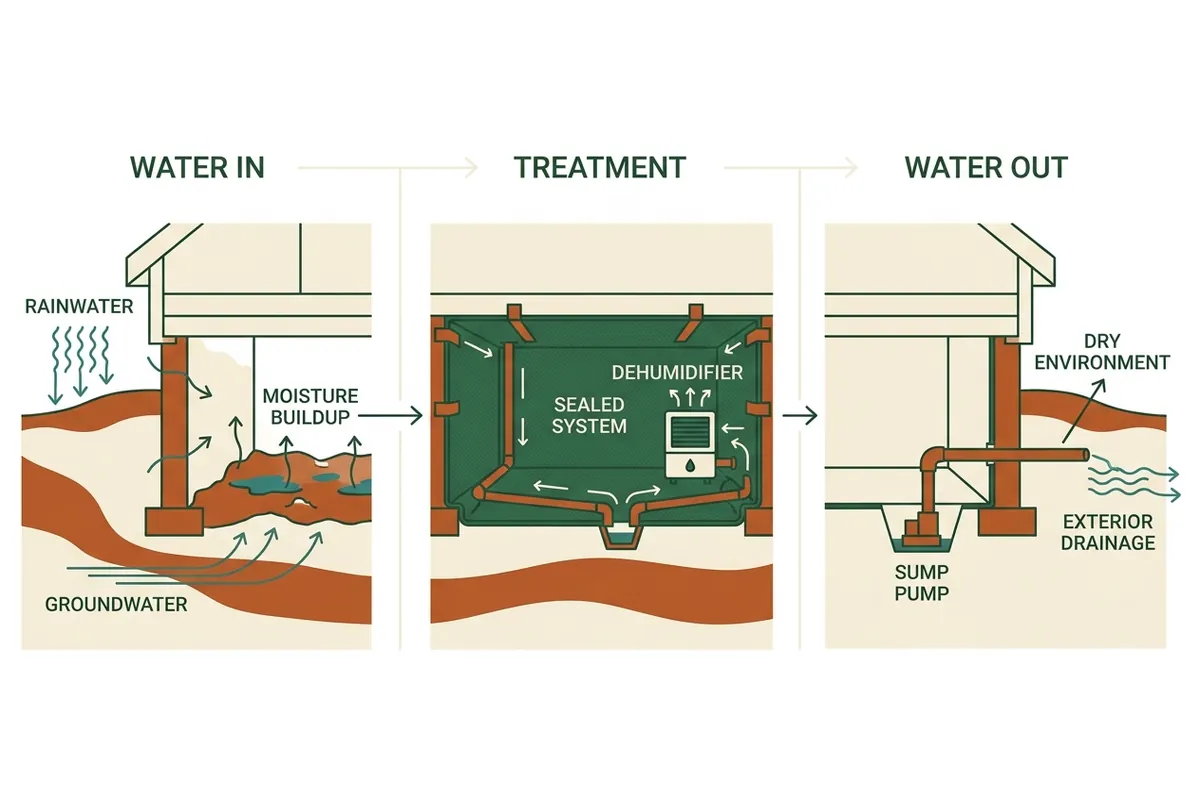
Anyone can spray a crawl. If the space still condenses every summer, growth returns and the invoice repeats. That's why every mold quote should pair the treatment with a moisture plan (sometimes as simple as a ground barrier, sometimes the full encapsulation) matched to the readings taken, not the biggest ticket on the truck.
Mold pressure under 46 inches of rain a year
Richmond's combination: roughly 46–47 inches of precipitation a year, humid subtropical summers, mature tree canopy holding moisture over roofs and soil, and tens of thousands of vented crawls, makes under-floor mold a climate outcome, not a housekeeping failure. Vented crawls here run above the 70% relative humidity line all season, and wood that lives above 19% moisture content feeds growth. The remediation sequence follows the physics: correct the moisture (seal, drain, dry), remove what the growth colonized, treat the framing that stays, and verify by reading, moisture meters, not noses, decide when it's done.
What to avoid: fogging a vented crawl and calling it remediated. Treatment without the moisture correction is a scheduled rerun, and on this metro's humidity the rerun arrives by the second summer. A good scope pairs the two, priced separately so you can see both.
How do you actually get the humidity down?
A dirt crawl space under a nineteen-twenties house is an evaporation surface with a building on top of it. That is the actual mechanism, and it explains why venting has never solved it.
| Option | What it does | What works here |
|---|---|---|
| Close the vents | Stops humid outdoor air being invited in | Virginia's code basis permits unvented sealed crawl spaces with a drying mechanism |
| Seal the ground | Cuts off evaporation from bare soil | The single largest gain in Richmond's older housing stock: bare soil is the source |
| Dehumidify | Removes what is left, and keeps removing it | Holds the result through muggy Virginia summers |
| Condition from the house | Supplies a small amount of conditioned air instead | Practical where the system has spare capacity |
In this stock, sealing the ground is usually the step that changes the smell. Everything after it is refinement.
Frequently asked questions
What does crawl space mold treatment cost?
Most Richmond remediations run $1,500-$6,000 depending on affected area and framing condition, plus whatever moisture fix prevents regrowth. Treating mold without correcting moisture is a subscription, not a solution.
Is crawl space mold dangerous to my family?
Crawl air migrates upstairs: much of your first-floor air rises from below. Sensitive family members often react first: allergies that flare at home, musty smells, humid rooms. Treat the crawl as part of the home's air system, because it is.
Is testing needed, or just treatment?
A good specialist documents visible growth with photos and moisture readings, treats the affected framing, and corrects the conditions. For families needing lab identification, third-party testing can be arranged; tests shouldn't be sold as theater.
Will mold come back after treatment?
Not if the moisture that grew it is gone. That's the whole game. Treatment plus a dried crawl is durable; treatment alone in a still-damp crawl regrows. That's why a mold quote should always pair with a moisture plan.
Get a Richmond crawl space inspection
Tell us what you're noticing (smells, humidity, floor bounce, a wet crawl) and we'll pass your request along for an inspection. A local specialist serving Richmond calls you back.