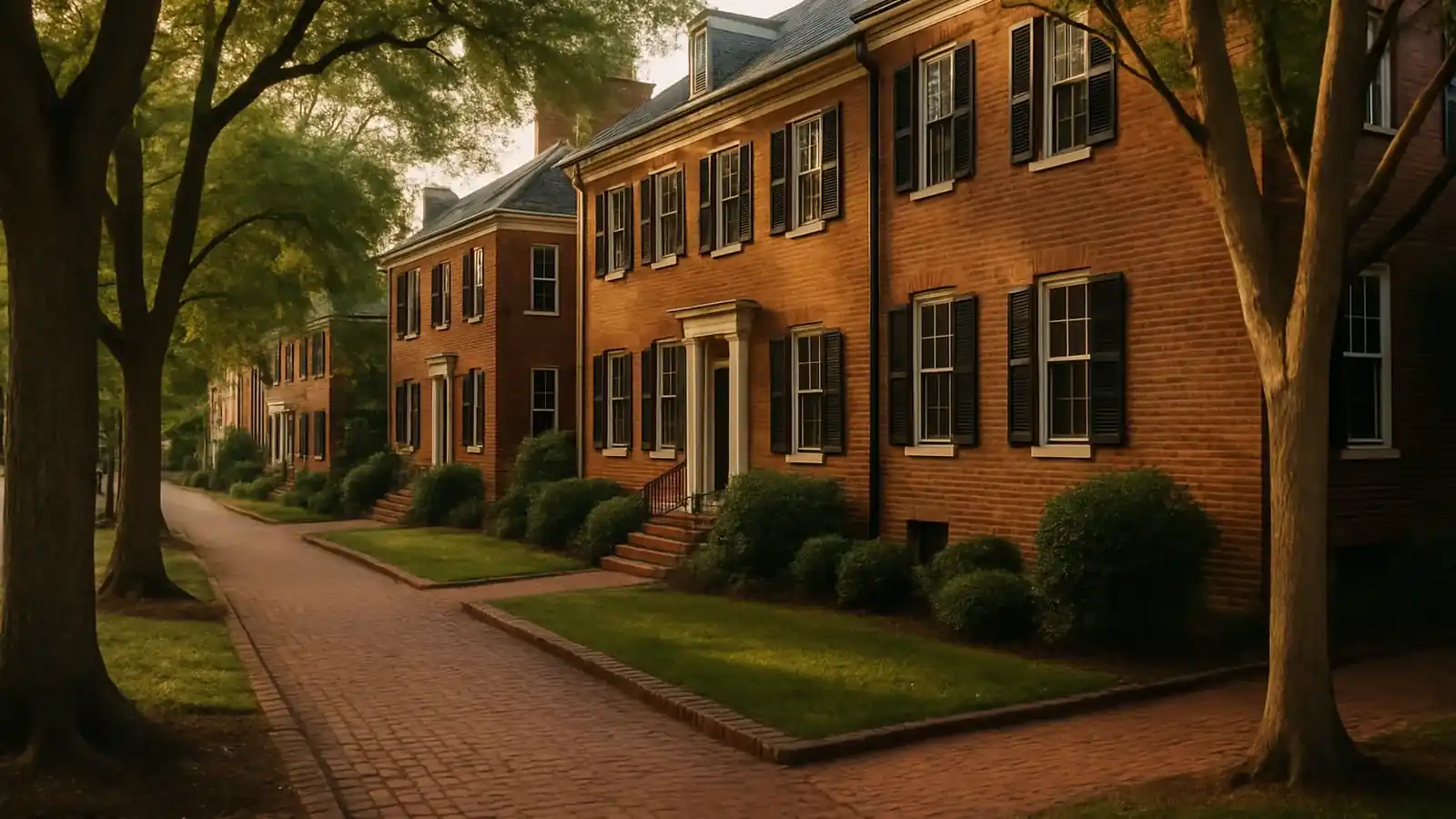
Crawl space repair in Richmond typically runs $1,500–$8,000: sistered joists and new supports at the low end, girder replacement at the top. In a metro where much of the housing stock predates 1980 and sits on vented dirt crawls, moisture-weakened framing is the region's signature structural problem.
The failure signs, what repairs involve, and why the moisture source matters as much as the wood.
How crawl moisture becomes a structural problem
Wood doesn't need standing water to fail. It needs sustained humidity. Keep framing damp enough for long enough and fungal decay softens it from the inside; in Richmond's climate a vented crawl provides those conditions most of the year. First the subfloor loses stiffness, then joists deflect, then girders sag and floors above telegraph every step. Termites and wood-boring beetles follow damp wood, accelerating the process.
What repair looks like under there
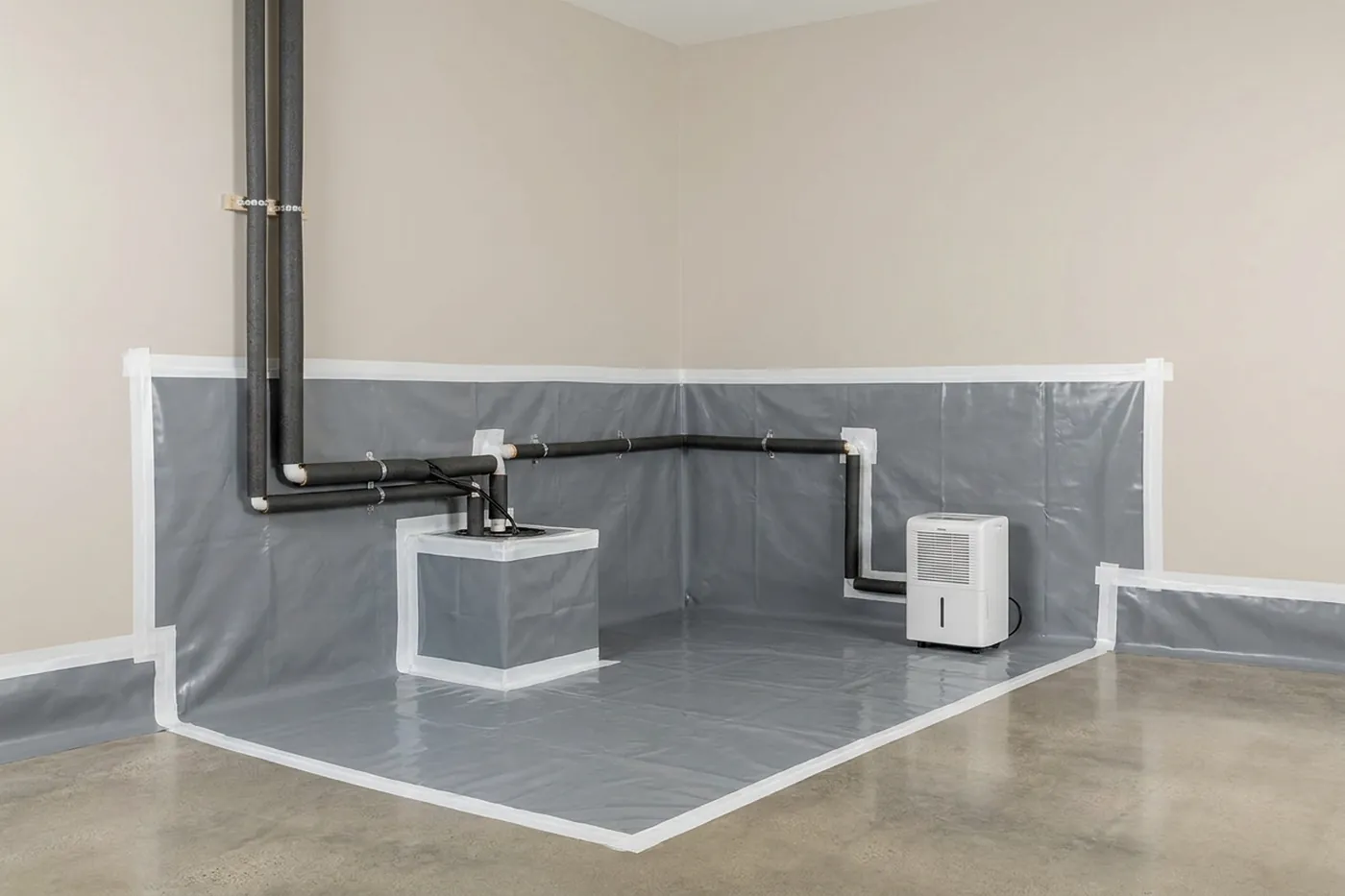
- Sistering: new lumber bolted alongside weakened joists to restore capacity
- Girder and beam replacement where decay has gone too far to sister
- Supplemental supports: adjustable steel columns on proper footings to relevel and carry load
- Subfloor replacement in bathrooms and kitchens where leaks concentrated damage
- Sill and band repairs at the foundation line, where vented crawls condense the most
Ask for a photo record of every repair (before, during, after), because you shouldn't have to crawl under the house to verify work you paid for.
Repair alone, or repair plus prevention?
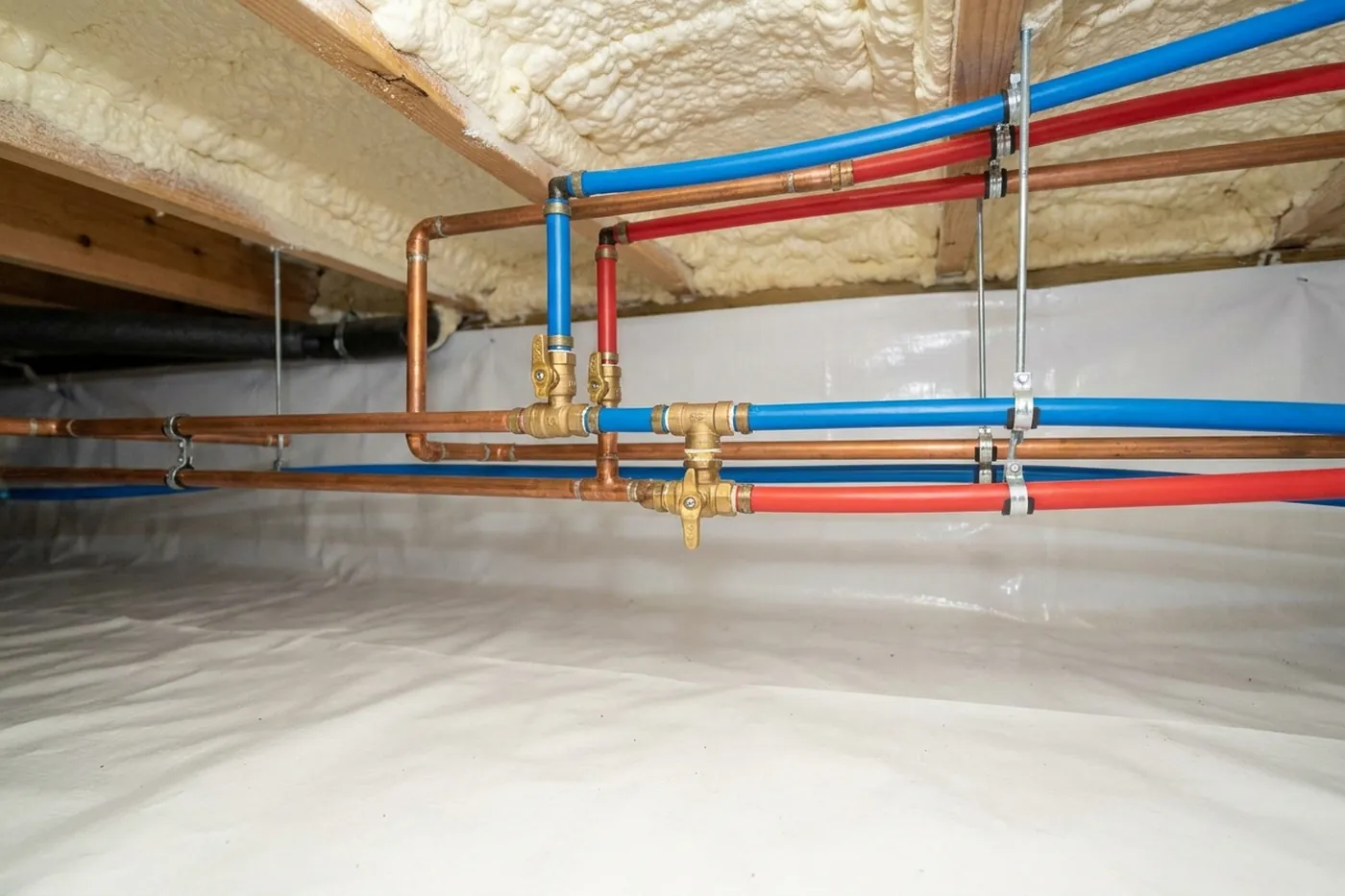
Ask for them quoted separately. Repair restores the structure; the crawl's moisture conditions decide how long it stays restored. If the space is chronically damp, the specialist should show you the readings and price the moisture fix alongside (from a vapor barrier to full encapsulation) and you choose what happens and when.
What Richmond's housing eras do to crawl framing
The metro's crawl-space framing splits by era, and the split writes the repair scope. The pre-war stock (Church Hill, the Fan's edges, older Lakeside) stands on brick piers under heart-pine framing that has carried a century of vented humidity; it's usually strong wood with localized decay where water found a habit, and repairs sister rather than replace wherever the original member allows. The postwar ranches ring the city with shallower crawls and faster-grown lumber: more moisture-sensitive, quicker to sag when a girder takes decades of damp. Both eras should end at the same evaluation: moisture readings, photographed framing, and a scope that names every member touched.
The honest rule here mirrors the physics: structural repair without the moisture correction is furniture rearrangement. Every repair scope carries the cause (drainage, sealing, drying) priced beside the framing, so the fix you buy is the one that stays fixed.
What is actually broken down there?
Richmond has a large stock of early-to-mid-twentieth-century homes built on vented dirt crawl spaces, which is to say built on the assumption that outdoor air dries things. Decades of that assumption is usually what an inspection finds.
| Option | What it does | What it means here |
|---|---|---|
| Moisture only | Humidity and ground damp, with sound framing | Central Virginia clay holds moisture against the foundation year-round |
| Wood damage | Rot or insect damage in joists, sills or subfloor | Sustained damp in original framing is the common finding in pre-war stock |
| Structural sag | Failed piers, shimmed posts, a bouncing floor above | Piers and posts from that era were sized for the loads of that era |
| Water intrusion | Standing water or a flow path through the crawl | Slow-draining clay leaves water standing where it arrives |
Newer western suburbs behave differently. On post-1990 construction the crawl is usually fine and the problem is grading, which is a cheaper conversation.
Frequently asked questions
What does crawl space repair cost in Richmond?
Most structural repairs run $1,500-$8,000 depending on how much framing is compromised: sistering a few joists sits at the low end, replacing girders and adding supplemental supports at the top. The inspection should price it exactly, with photos.
Why are my floors bouncy?
Usually softened wood. Years of crawl moisture weaken joists and girders, and the floor above starts flexing. Jacks and new framing restore support, but the moisture that caused it needs solving too, or the repair is temporary.
Can repairs be done without full encapsulation?
Repair without full encapsulation is possible. Repair fixes the damage; encapsulation prevents the next round. Ask for them quoted separately so you can stage the work, though repairing without addressing chronic moisture usually means a second round of repairs.
Is sagging dangerous?
Progressive, more than sudden. Floors rarely collapse, but sagging accelerates as load shifts to weakened members, and doors, drywall, and plumbing all suffer along the way. Earlier is cheaper, every time.
Get a Richmond crawl space inspection
Tell us what you're noticing (smells, humidity, floor bounce, a wet crawl) and we'll pass your request along for an inspection. A local specialist serving Richmond calls you back.